Energy analyst Robert Bryce maintains a database showing that, as of November 2025, local communities have rejected or restricted 595 wind, 475 solar and (more recently) 72 large-scale battery projects.
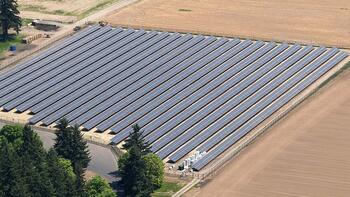
Many don’t want the installations blanketing wildlife habitats, scenic vistas, croplands or their backyard viewsheds; especially when the unreliable electricity is exported to faraway, power-hungry, virtue-signaling cities; and particularly when they are expected to help pay for installations and transmission lines that serve another state: North Dakota ratepayers to help Minneapolis, for example.
Other locals worry about health risks posed by light flicker, low-frequency noise and infrasound.
Many people also get riled up over the real costs of “green” energy – the total actual costs … versus deliberately lowballed costs that advocates emphasize.
This opposition is not only an American phenomenon. French and other European towns are also raising concerns, as are others around the world.
A recurrent sales pitch is that wind and solar power costs are declining and are now lower than coal, gas or nuclear electricity, ensuring lower prices for consumers. The claims leave out important but studiously unmentioned costs – economic, environmental and human.
“Save with renewable energy” promotions typically look only at initial costs associated with installing wind turbines and solar panels – which often come from China and are manufactured with cheap labor, using materials extracted with child labor, in mines and facilities with minimal or no workplace safety or environmental safeguards, with every phase fueled by oil, natural gas or coal.
Promoters also ignore sneaky subsidies paid via taxes and hidden charges on electric bills. They ignore payments to companies for not producing electricity when they must shut down because of high winds or when generation exceeds supply or grid capacity.
They don’t mention the costs of constructing, maintaining and operating duplicative backup systems: coal- or gas-fired power plants that must operate full-time at low throttle and go full-bore whenever wind and sunshine are inadequate. Or the mining and pollution involved in manufacturing all these technologies.
Grid-scale backup batteries cost tens of billions of dollars and carry significant fire and toxic emission risks, as with the 300-megawatt battery inferno at Moss Landing, California.
Offshore oceanic wind turbines must be replaced frequently, due to salt spray and storms. Hailstorms can destroy entire solar panel installations. The trillions of dollars keep adding up.
Read the rest of this piece at Townhall.
Paul Driessen is senior policy analyst for the Committee For A Constructive Tomorrow (www.CFACT.org) and author of books and articles on energy, climate change and human rights. Special thanks to researcher T.H. Platt, author of The Dark Side of Hunger Mountain, for assisting with this article.
Oregon DOT via Flickr under CC 2.0 License.
 Email this Story